- Info@revivewellnessla.comInfo@revivewellnessla.com
- 323-451‑5591323-451‑5591

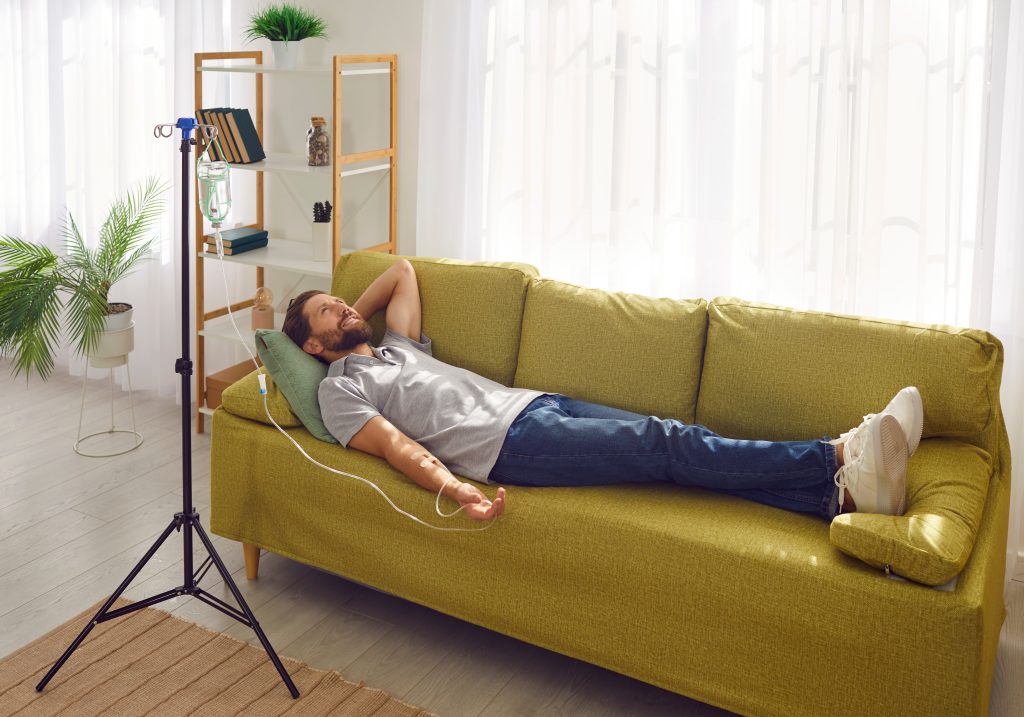
Does a Hangover IV Actually Work? What to Know Before You Book
Do hangover IVs really work? The honest evidence on hydration and nausea, what’s in the drip, the cost ($329), the limits, and how to get one in LA.
Revive Wellness LA • Mobile IV therapy across Los Angeles • Call (323) 451-5591
Medically reviewed by Israel M. Gabaie, FNP-BC • Last reviewed June 2026
After a big night out in Los Angeles, a hangover IV promises fast relief — fluids, vitamins, and anti-nausea support delivered straight to your bloodstream, often at your door within the hour. But does a hangover IV actually work, or is it overpriced saline? The truth sits somewhere in between, and it is worth understanding before you book. Here is an honest look at what a hangover IV can and cannot do, what is in it, how fast it works, and when it is genuinely worth the money.
Plain-English explanations
Balanced pros + cons
What the evidence says
At-home in Los Angeles
Balanced pros + cons
What the evidence says
At-home in Los Angeles
Quick Answer: Does a hangover IV actually work?
Partly — and honestly. A hangover is more than dehydration (it also involves inflammation, poor sleep, low blood sugar, and a toxic byproduct called acetaldehyde), so no drip is a complete cure. But a hangover IV rehydrates you faster than drinking and can include anti-nausea or anti-inflammatory medication, which is where the real, fast relief comes from. For a mild hangover, water, food, and rest work fine; an IV makes the most sense when you are very dehydrated or too nauseated to keep fluids down. At Revive Wellness, the hangover IV is $329, delivered at home across LA.

Hangover IV
$329
Rapid rehydration with electrolytes, B vitamins, and anti-nausea support to help you bounce back fast — delivered to your home or hotel.
Key Takeaways
- A hangover is more than dehydration. It also involves inflammation, poor sleep, low blood sugar, and the buildup of acetaldehyde — so no drip is a complete “cure.”
- A hangover IV rehydrates you faster than drinking and can include anti-nausea or anti-inflammatory medication, which is where much of the real, fast relief comes from.
- The evidence for IVs as a hangover treatment is limited. The relief is genuine but mostly comes from correcting dehydration and treating symptoms, not a special cure.
- For a mild hangover, water, food, rest, and time work fine and far more cheaply. An IV makes the most sense when you are very dehydrated or too nauseated to keep fluids down.
- It is not a license to drink more. At Revive Wellness the hangover IV is $329, delivered at home across LA — useful occasional relief, not a weekly habit.
Why you actually feel hungover
Alcohol does several things to your body at once, and a hangover is the combined hit of all of them:
- Dehydration: alcohol is a diuretic, so you lose more fluid than you take in.
- Disrupted sleep: even if you slept for hours, alcohol fragments sleep quality, leaving you groggy.
- Low blood sugar: drinking can drop blood glucose, contributing to weakness and shakiness.
- Inflammation: alcohol triggers an inflammatory response linked to that all-over awful feeling.
- Acetaldehyde: as your body breaks down alcohol, it produces this toxic byproduct, which contributes to nausea and headache.
That is why a hangover is far more than thirst — and why simply rehydrating does not fix everything at once.
What’s in a hangover IV?
A typical hangover drip combines several components aimed at the symptoms above:
| Component | What it does |
|---|---|
| IV fluids (saline) | Rehydrate quickly and restore blood volume. |
| Electrolytes | Replace what alcohol flushed out. |
| B vitamins | Often depleted by drinking. |
| Anti-nausea medication | Where appropriate, to settle the queasiness. |
| Anti-inflammatory medication | Sometimes added for headache and body aches. |
Here is the part the marketing tends to skip: the fast, noticeable relief usually comes from the rehydration and the medications — not the vitamins. The B vitamins and antioxidants are supportive, not the main event.
Does a hangover IV really work? The honest answer
If you are significantly dehydrated or too nauseated to keep water down, IV fluids work faster than drinking, and anti-nausea medication can genuinely turn a miserable morning around. That part is real, and it is why people swear by it after a rough night.
But there is no strong clinical evidence that an IV “cures” a hangover, because dehydration is only one piece of the puzzle. The inflammation, sleep debt, and acetaldehyde are not fixed by a bag of saline. The National Institute on Alcohol Abuse and Alcoholism notes that time is ultimately what clears a hangover — an IV simply makes the wait far more comfortable. Set the expectation accordingly: think rapid symptom relief, not a reset button.
How fast does a hangover IV work?
Many people feel meaningfully better within 30–60 minutes, as fluids restore hydration and any anti-nausea or anti-inflammatory medication takes effect. The improvement tends to be fastest and most dramatic when dehydration and nausea are the main things driving how you feel. If your worst symptom is exhaustion from poor sleep, expect the IV to help less with that specific piece.
When an IV is worth it vs. when water will do
An IV makes sense when…
- You are very dehydrated after heavy drinking
- You cannot keep fluids down due to nausea or vomiting
- You have an important morning and need to function fast
- You are recovering from a wedding, festival, or big event
Water is enough when…
- It is a mild, ordinary hangover
- You can comfortably keep fluids and food down
- You have time to rest and recover
- You want the cheapest effective option
For a regular hangover, water, a balanced meal, electrolytes, an over-the-counter pain reliever, and rest will handle it — especially when getting in a car to drive to a clinic is the last thing you want to do.
How much does a hangover IV cost in Los Angeles?
Pricing varies by provider and what is included — fluids, vitamins, medications, and mobile service. At Revive Wellness, the hangover IV is $329, delivered to your home, hotel, or workplace. Whatever provider you choose, ask for transparent, all-in pricing before booking and confirm that at-home delivery is included so there are no surprises. You can also compare it against other drips on the IV drip menu.
Is a hangover IV safe — and how often is too often?
For most healthy adults, a hangover IV is safe when delivered by trained clinicians who screen you first. As with any IV, there are small risks such as vein irritation or infection, and any added medications should be reviewed against your history and allergies. That is why a quick health assessment comes before treatment.
Worth noting: Relying on regular hangover IVs is a signal to look at your drinking rather than your recovery routine, and frequent IV use also raises cumulative risks like vein irritation. A hangover IV is best as occasional relief, not a standing weekly appointment.
How Revive delivers hangover IVs in Los Angeles
- Book and quick health assessment.
A licensed RN or nurse practitioner reviews your symptoms, medications, and allergies. - Targeted drip.
We add anti-nausea support when appropriate and tailor the fluids and electrolytes to how you feel. - Comfortable in-home infusion.
We come to your home or hotel so you recover without driving — usually 30–60 minutes. - Aftercare.
Simple guidance on hydration, food, and rest to finish the recovery.
Bottom Line: Is a Hangover IV Worth It?
- A hangover IV genuinely helps with the dehydration and nausea components, often within an hour.
- It is not a full cure — inflammation, sleep loss, and acetaldehyde still need time to clear.
- For mild hangovers, water, food, and rest are enough; save the IV for heavy dehydration, nausea, or a must-function morning.
- Use it as occasional relief, not a reason to drink more, and book it from a clinician who screens you first.
- At Revive, it is $329 and comes to you — so you can recover at home without getting behind the wheel.
Rough morning? Book an at-home hangover IV across the LA area and recover without driving, or explore the full drip menu. A licensed clinician screens you first and adds anti-nausea support when appropriate.
Call (323) 451-5591 • Mobile IV across Los Angeles
Related reading
- Stomach flu and IV therapy: when a drip can help
- IV fluids for cramps: what’s in the drip and does it help?
- IV hydration therapy for dehydration
Related services at Revive Wellness LA
FAQ: Hangover IV therapy
How fast does a hangover IV work?
Many people feel better within 30–60 minutes as fluids restore hydration and any anti-nausea or anti-inflammatory medication takes effect. The improvement is fastest when dehydration and nausea are driving how you feel.
Is a hangover IV better than drinking water?
It rehydrates faster and can deliver anti-nausea medication you cannot get from water, which helps if you are very dehydrated or cannot keep fluids down. For a mild hangover, water, food, and rest usually work fine and cost nothing.
How much does a hangover IV cost in Los Angeles?
At Revive Wellness, the hangover IV is $329, delivered to your home, hotel, or workplace. Prices elsewhere vary by provider and what is included, so ask for transparent, all-in pricing and confirm at-home delivery before booking.
Are hangover IVs safe?
For most healthy adults they are safe when delivered by trained clinicians who screen you first. As with any IV, there are small risks like vein irritation or infection, and any added medications should be reviewed against your history and allergies.
How often is too often for hangover IVs?
Relying on regular hangover IVs is a signal to look at your drinking rather than your recovery routine. Frequent IV use also raises cumulative risks like vein irritation, so it should not become a weekly habit.
Can a hangover IV cure a hangover completely?
No. It strongly addresses the dehydration and nausea components, but inflammation, sleep loss, and acetaldehyde still need time to clear. Think of it as rapid symptom relief that makes recovery far more comfortable, not a complete cure.
Medical disclaimer: This article is for general education only and is not medical advice. IV therapy should be guided by a licensed clinician based on your symptoms, history, and a health assessment. Do not start, stop, or change any treatment without medical guidance. If you are concerned about your drinking, talk to a healthcare professional. If you have severe symptoms, seek urgent or emergency care.